
What is a tri-clamp? And more about the benefits of a Stainless steel tri-clamp connection
Tri-clamps, (also known by the brand name Tri-Clover clamp), are components that join two sanitary ferrules around a gasket (also called a seal) creating a hygienic, secure connection, known as a tri-clamp connection. Used in sanitary piping systems where hygiene and cleanability are prioritised, Stainless steel is the ideal material for these clamps in industries such as food & beverage, biotechnology & pharmaceutical, and water treatment; and in more recent times, the cooling systems of data centres.
Keep reading for a guide on tri-clamps: how they work, why they’re used, how to choose the right Stainless steel for your clamp, how they compare to alternative connections, and how they are used in the above industries.
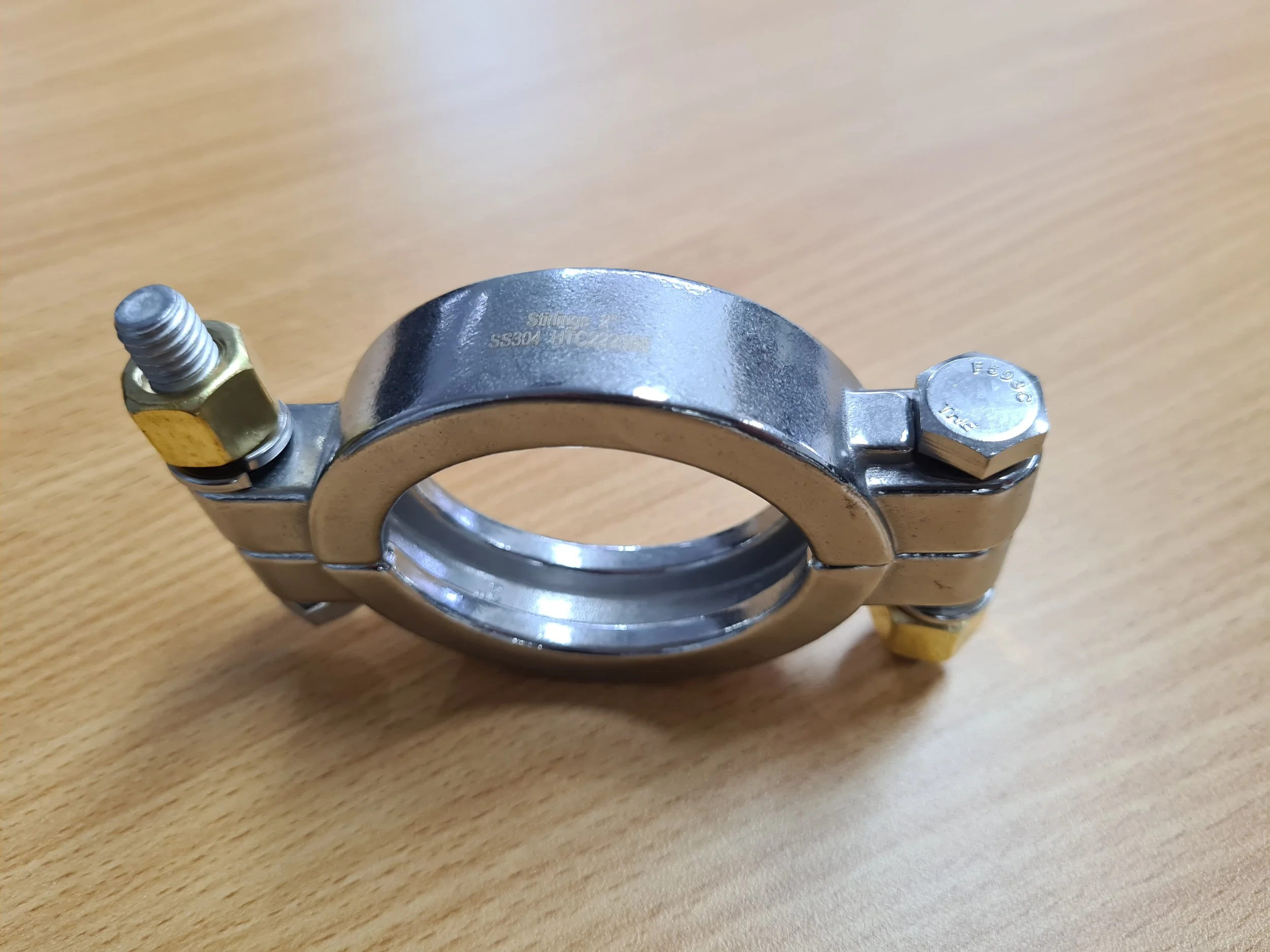
Grade 304 tri-clover clamp in stock at Stirlings.
How does a tri-clamp work?
Tri-clamps join two sanitary ferrules (welded / joined directly to the piping system) together, around a gasket. The tri-clamp wraps around the outside flanged end of the ferrules.
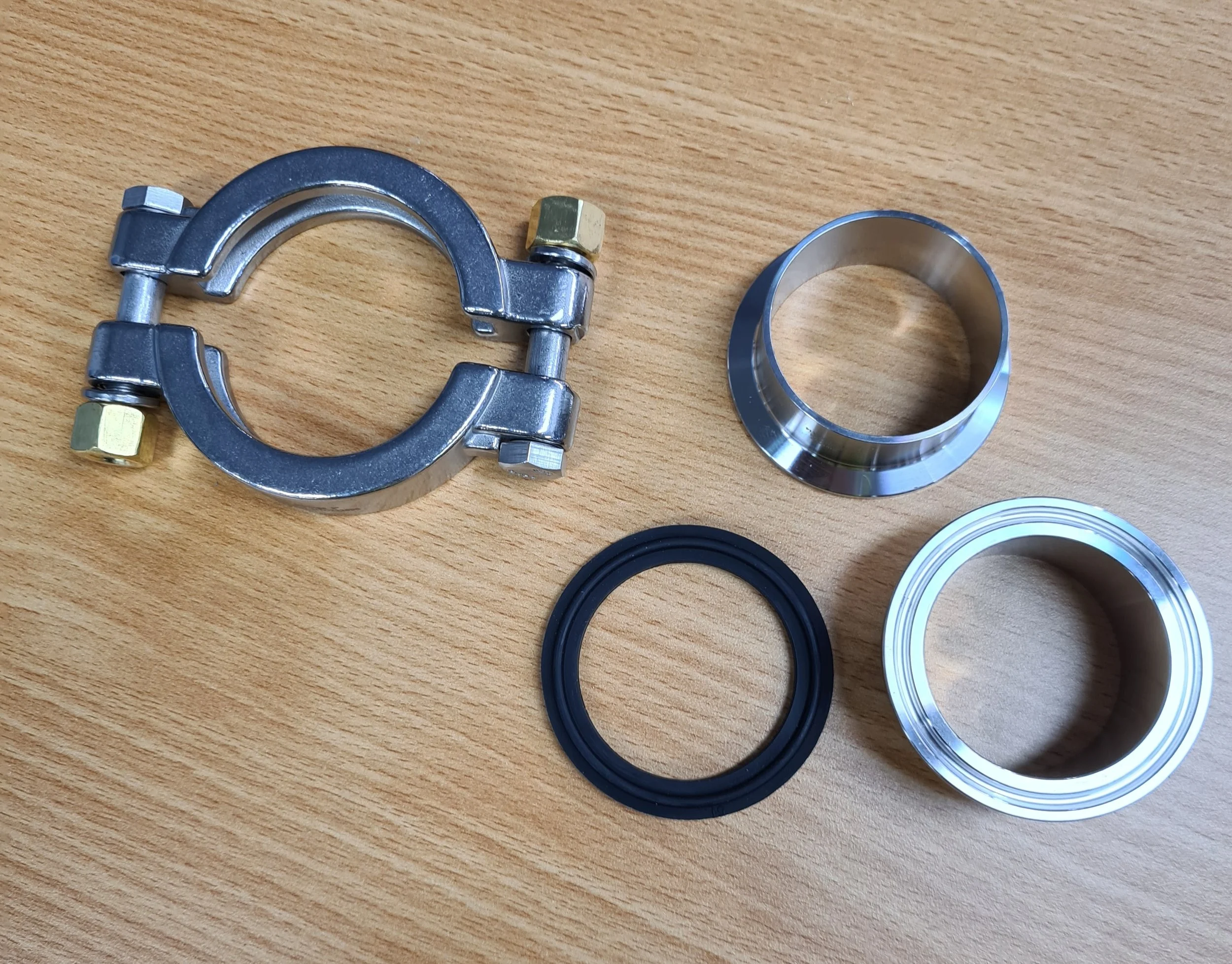
Stainless steel tri-clover clamp, ferrules, and gasket.
When tightened:
The ferrules are pulled together;
The gasket is compressed;
A sanitary seal is formed.
The mechanical connection formed is hygienic and leak-proof, and can be taken apart easily for maintenance, cleaning and replacement of parts. This system is known as a tri-clamp connection.
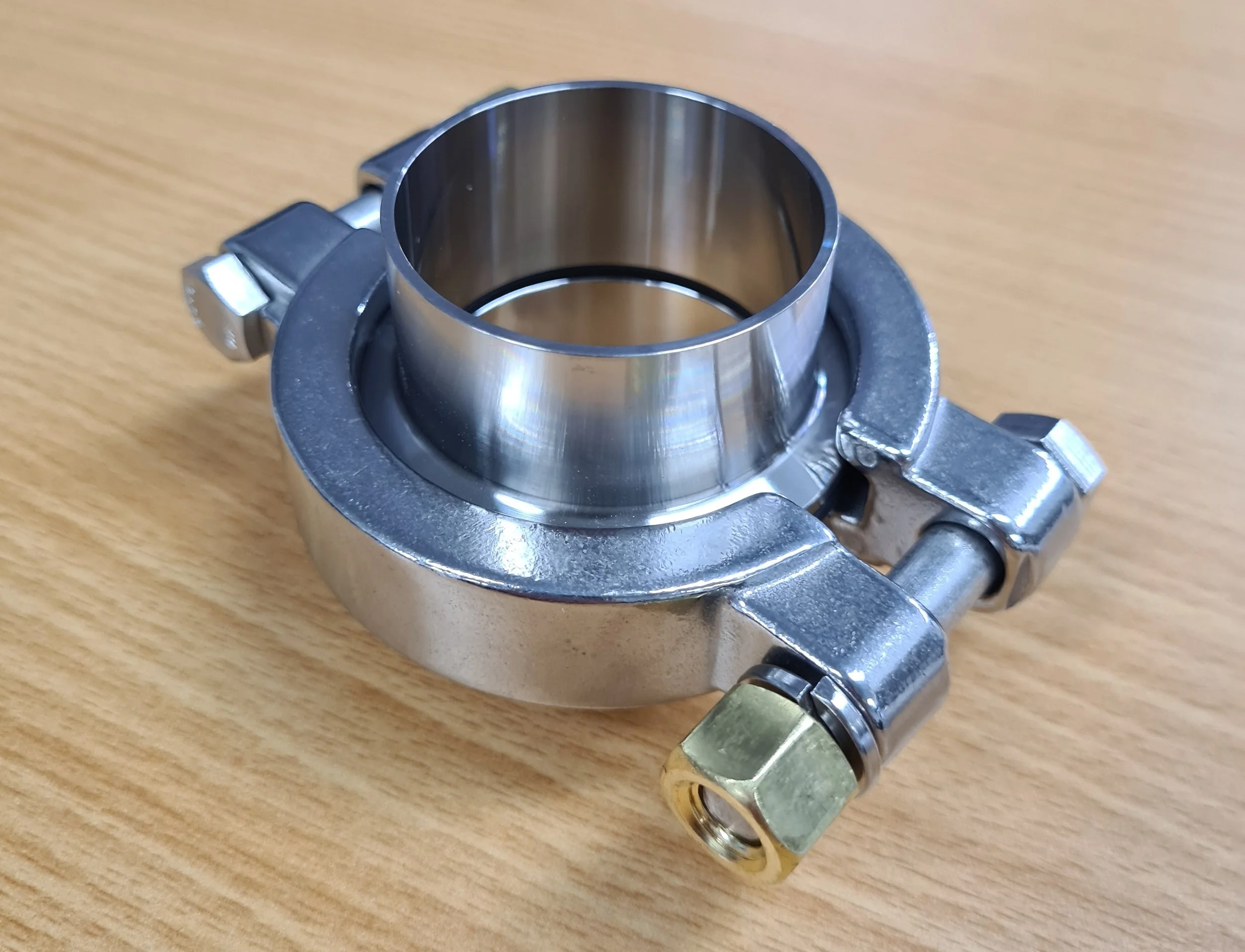
Assembled tri-clamp connection.
Tri-clamp terminology
Single Pin: Uses a hinged single-pin and wing nut design. Ideal for applications requiring frequent assembly and disassembly under standard operating pressures, such as food & beverage processing.
Double-Bolted High Pressure: Uses two bolts to provide greater and more even clamping force. Designed for higher-pressure applications and more demanding environments such as pharmaceutical manufacturing, biotechnology and high-pressure filtration.
Gasket / seal terminology
No label: Standard Type 1; the most common type used and stocked. A completely flat, round gasket with no outer lip. It sits loosely between the two Stainless steel ferrules and relies on careful manual alignment while you tighten the clamp.
Type A/Type 2/Flanged: Features an additional molded lip around the outer circumference that wraps over the edge of the tri-clamp ferrule. This lip holds the seal perfectly in place on the fitting before you attach the clamp, significantly easing installation and eliminating the risk of the gasket dropping.
Why use a tri-clamp connection?
Hygienic design
One of the most important aspects of a tri-clamp connection is that there are no threads or crevices, which can appear in alternative joining methods like flanges and threaded fittings, which can cause build up of bacteria, chemicals or other substances, leading to crevice corrosion.
This also makes them ideal for CIP (Clean-In-Place) and SIP (Sterilise-In-Place) systems as they allow sanitising chemicals to flow through the system without leaving residue.
Leak-tight seal suitable for multiple environments
The leak-tight seal when compressed by the clamp is customisable: various gasket materials are available for different temperatures and chemicals, ensuring that the material is suited correctly to withstand its environment.
The most frequently used gasket materials are:
EPDM: standard choice.
Viton: for oils, solvents, and chemicals.
Teflon / PTFE: for highly corrosive chemicals.
Flexibility, quick assembly and disassembly
The tri-clamp can be opened in seconds without special tools, making maintenance, cleaning, and reconfiguration of components fast and easy.
Comparing tri-clamp joints to other methods
The table below gives a guide to how tri-clamp connections compare to other common joining methods, specific to hygienic piping systems.
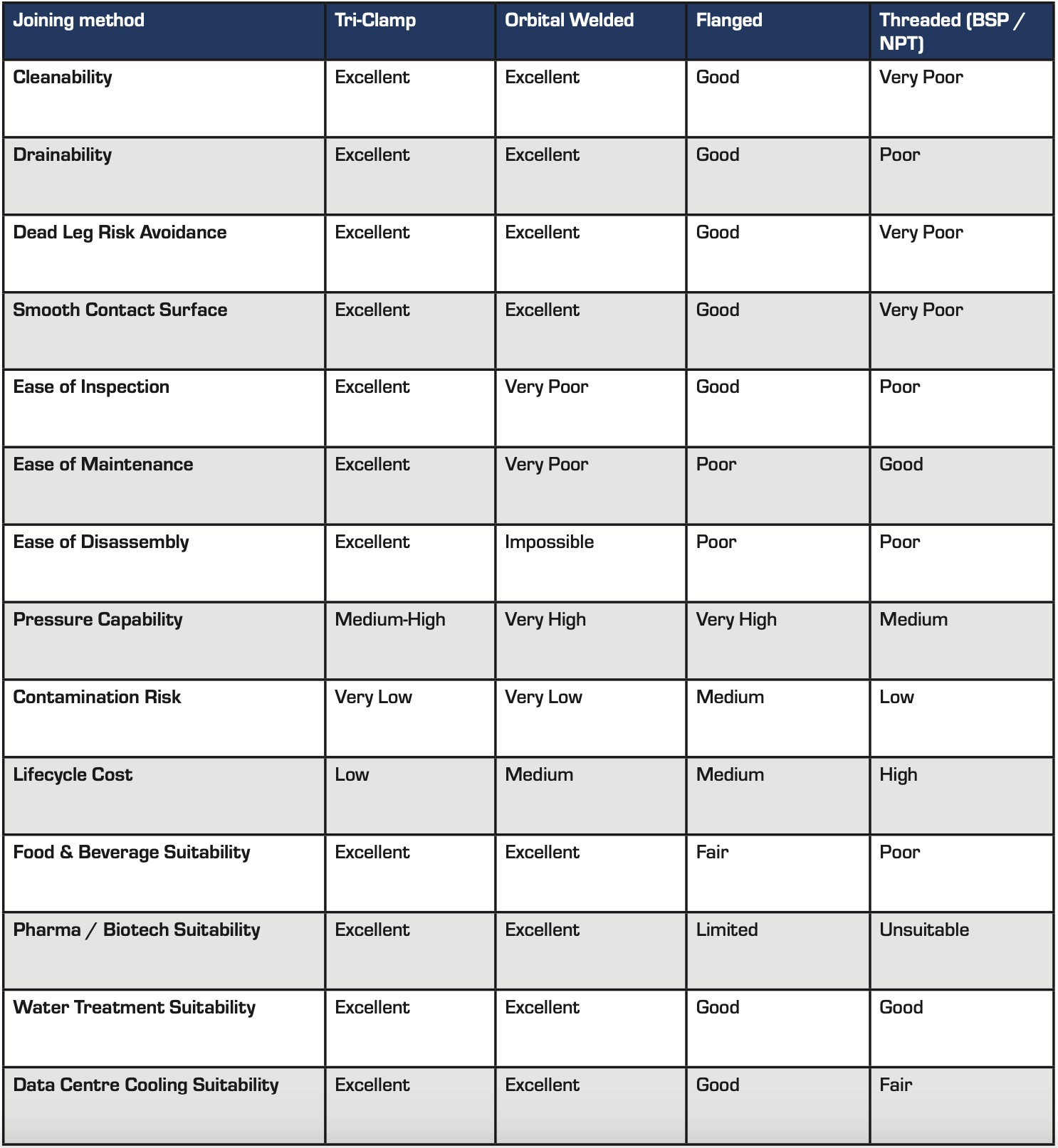
Why Stainless steel?
As tri-clover clamps are used to maximise the hygiene of piping systems, Stainless steel is the ideal material for a variety of reasons:
It does not absorb food particles, liquids, bacteria or chemicals;
It is non-reactive to and does not leach into food, beverage or pharmaceutical products,
It is corrosion resistant (particularly higher-alloyed grades such as 316/316L), and does not readily form pits and crevices that can trap bacteria;
It is highly resistant to impact, abrasion, and wear;
It can be frequently and easily cleaned and sanitised without risk of degradation.
Which Stainless steel?
Most tri-clamps are manufactured from:
304 Stainless Steel
A cost-effective and excellent choice for standard hygienic piping applications where exposure to corrosive substances will be limited.
316 Stainless Steel
The next level of corrosion resistance to 304: used where the tri-clamp will be exposed to high saline or corrosive environments in the food & beverage industry.
316L Stainless Steel
Increased corrosion resistance to 316, preferred for pharmaceutical and biotechnology environments.
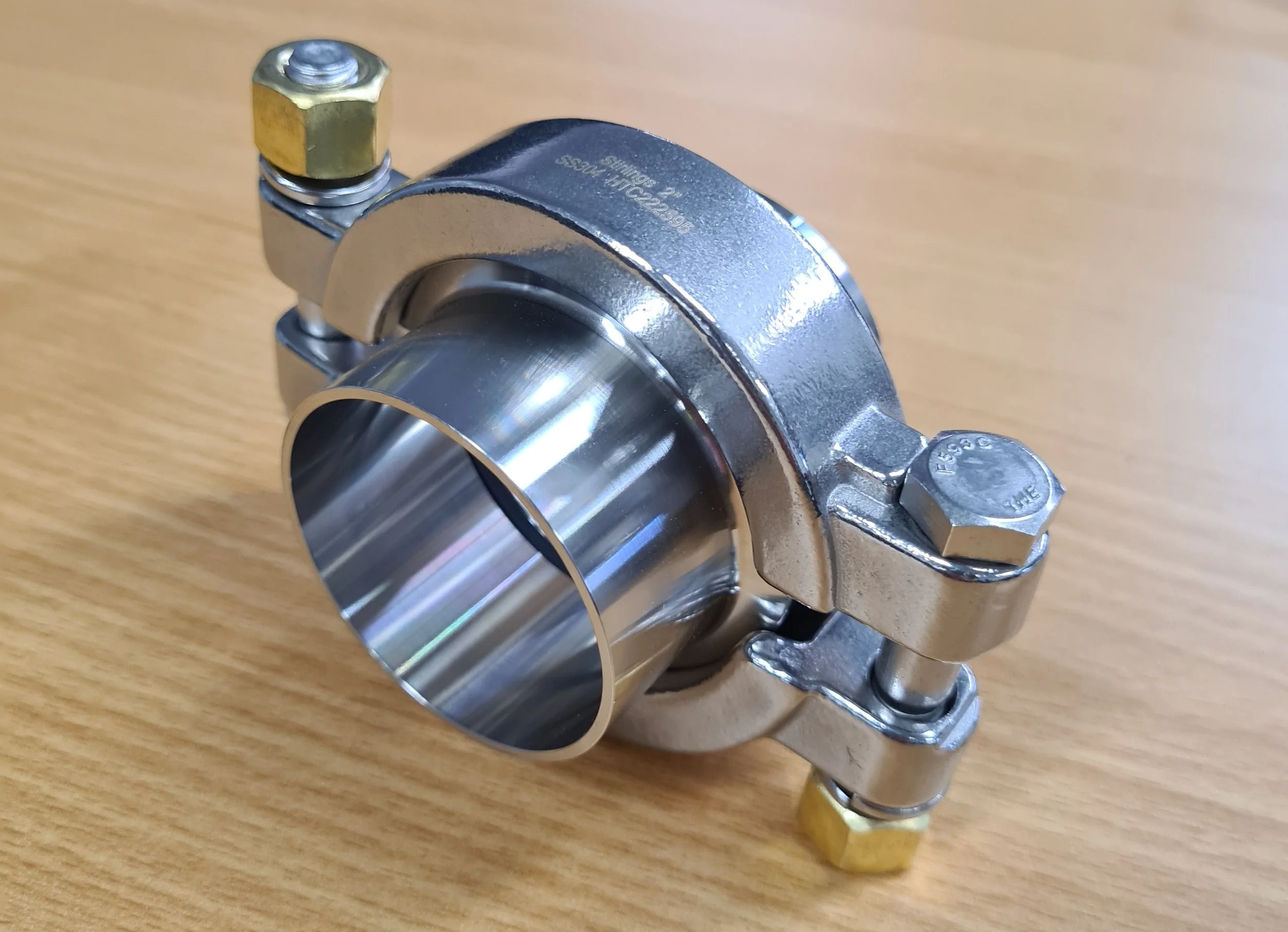
Grade 304 tri-clover clamp connected with ferrules and gasket.
Industry applications
Water treatment
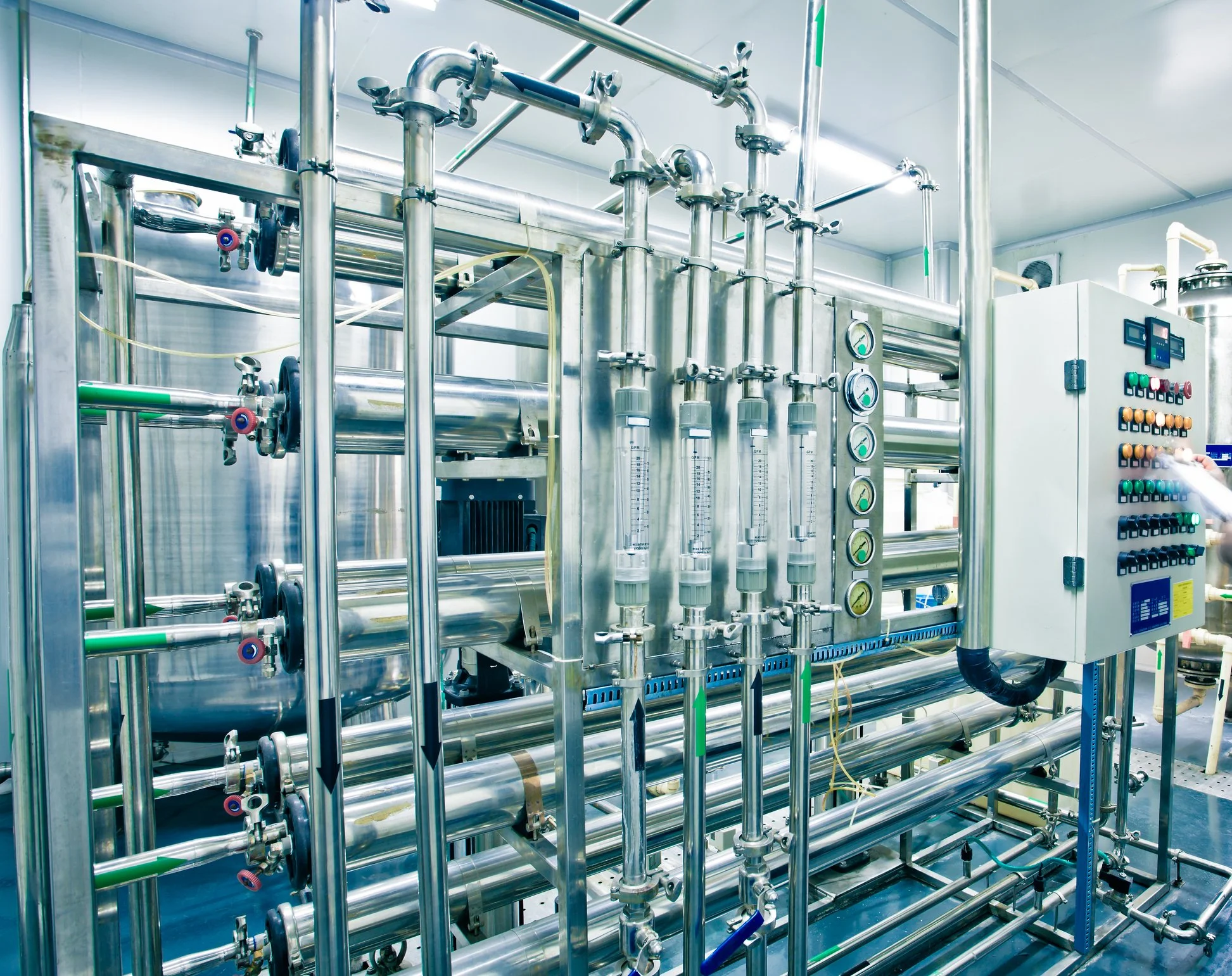
Example of a high purity water treatment system in pharmaceutical manufacturing.
Stainless tri-clamp connections are used in water treatment systems when equipment needs to be hygienic, easy to maintain, and frequently disassembled for cleaning and inspection. They are therefore necessary for high-purity water and filtration systems; which can be found in desalination plants, energy generation facilities, food & beverage and pharmaceutical manufacturing, in data centres, among many other uses.
Very common uses include:
Cartridge filter housings
Bag filter housings
Membrane filter assemblies
Pre-filters
Membrane housings
Instrumentation
Sampling points
UV sterilisation units
Dosing pumps
Conductivity meters
pH sensors
Food & Beverage
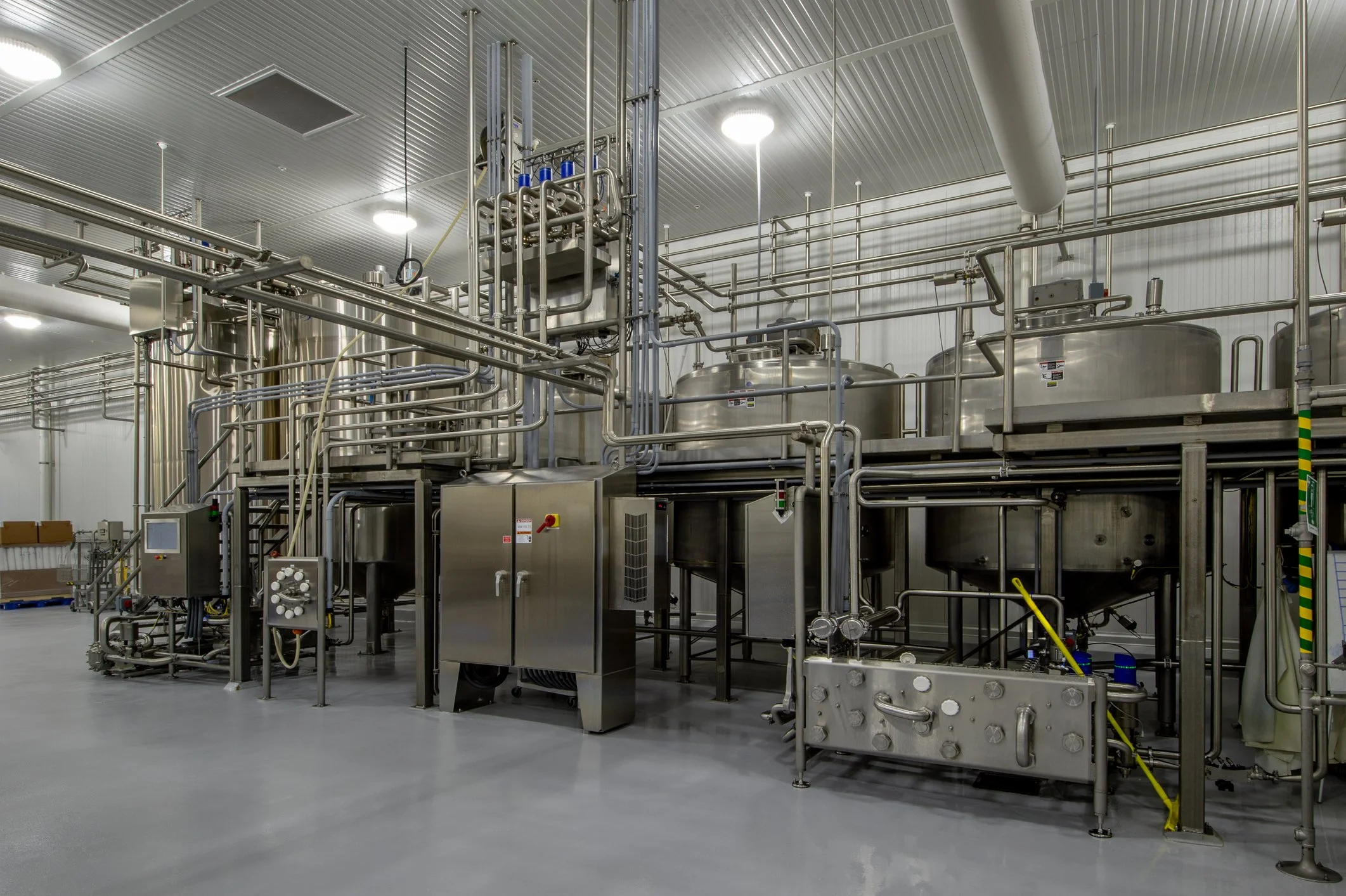
Example of pastuerisation equipment in dairy processing.
Stainless tri-clamp connections provide crevice-free, corrosion resistant internal surfaces where bacteria or foodstuffs cannot accumulate, and acidic and salty substances don’t cause damage. They are easy to clean and dismantle, allowing quick inspection and fast maintenance. For these reasons, they can be found in practically every modern food & beverage processing facility.
Very common uses include:
Food Manufacturing
Sauce, chocolate, and edible oils production
Ingredient dosing systems
Mixing vessels
Filling lines
Dairy Manufacturing
Milk transfer lines
Pasteurisers and homogenisers
Cream separators
Cheese and yogurt production
Beverage Manufacturing
Soft drink production
Juice processing
Bottling lines
Mixing systems
Brewing
Fermenters
Bright beer tanks
Brewhouse piping
Heat exchangers
Pump connections
Sampling ports
Wineries & Distilleries
Wine and spirit transfer systems
Spirit transfer lines
Filtration systems
Storage tanks
Bottling equipment
Biotechnology / Pharmaceutical
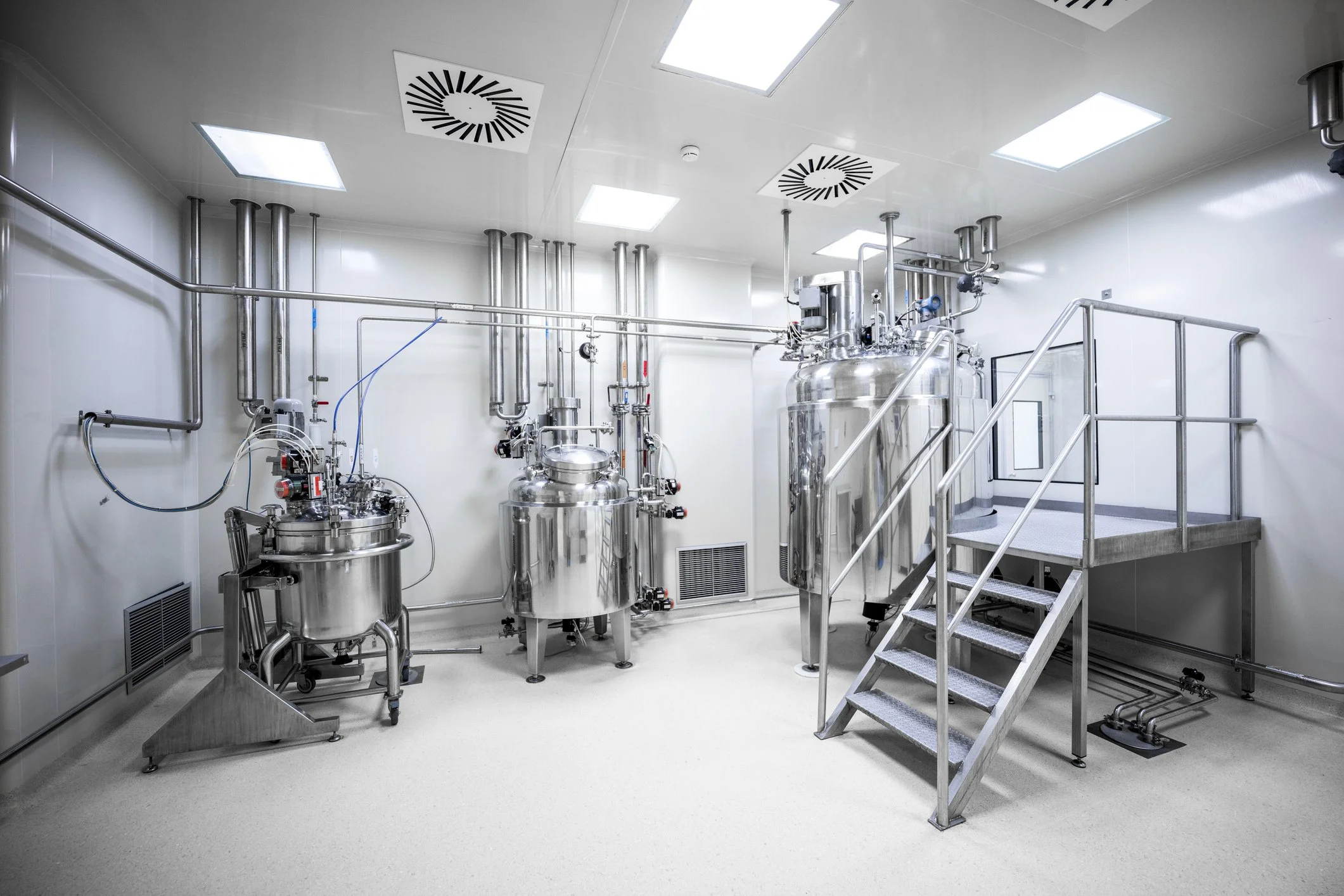
Example of a pharmaceutical drug manufacturing facility.
In biotechnology and pharmaceutical manufacturing, the requirements for sterility and product purity are extremely strict. The ability of tri-clamp connections to be assembled and disassembled quickly for inspection, maintenance, and sterilisiation of components is critical. Tri-clamp connections also allow rapid replacement of sensors, filters, valves, and more.
Very common uses include in these industries include:
Water Systems
Purified Water (PW)
Water for Injection (WFI)
Clean steam systems
Filtration Systems
Cartridge filter housings
Sterile filters
Ultrafiltration skids
Chromatography systems
Process Instrumentation
Pressure transmitters
Temperature sensors
Conductivity probes
pH sensors
Flowmeters
Bioreactors and Fermenters
Sampling ports
Instrument connections
Sight glasses
Spray devices
Sterile transfer lines
Biotechnology
Vaccine production
Cell culture systems
Fermentation systems
Bioprocess skids
Data Centres
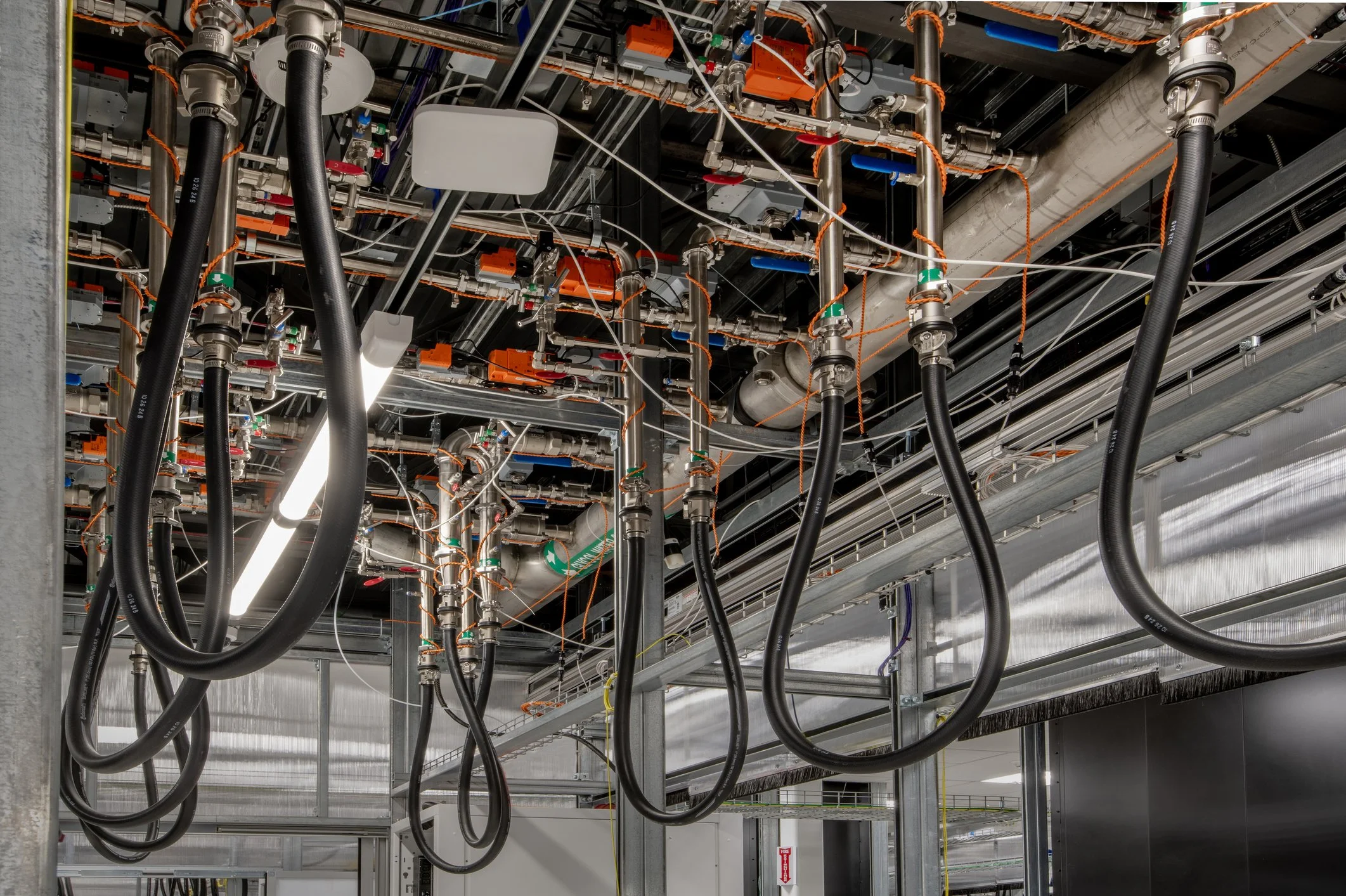
Example of a liquid cooling system inside a data centre.
Data centres are one of the fastest-growing markets that implement tri-clamp connections. They are used in liquid cooling systems, which are an innovative and more efficient way to cool the enormous amount of heat generated by IT equipment.
Liquid cooling, as opposed to air-conditioning, uses fluid to absorb and transfer heat away from equipment. Because liquids are substantially more effective at heat transfer than air, this allows for maximum cooling capacity and efficiency in tight spaces. Tri-clamp connections offer the critical benefit of disconnecting components quickly; including replacing filters, pumps, or sensors and easily reconfiguring cooling skids, minimising downtime.
Water treatment is also an essential part of data centre cooling systems because without it, corrosion, scale buildup, biological growth and blockages in hygienic piping systems over time can reduce performance and lead to equipment failure.
Therefore, common uses include:
Liquid Cooling Systems
CDUs (Coolant Distribution Units)
Cooling-water treatment skids
Heat exchanger packages
Filtration assemblies
High-purity water treatment systems
More industries
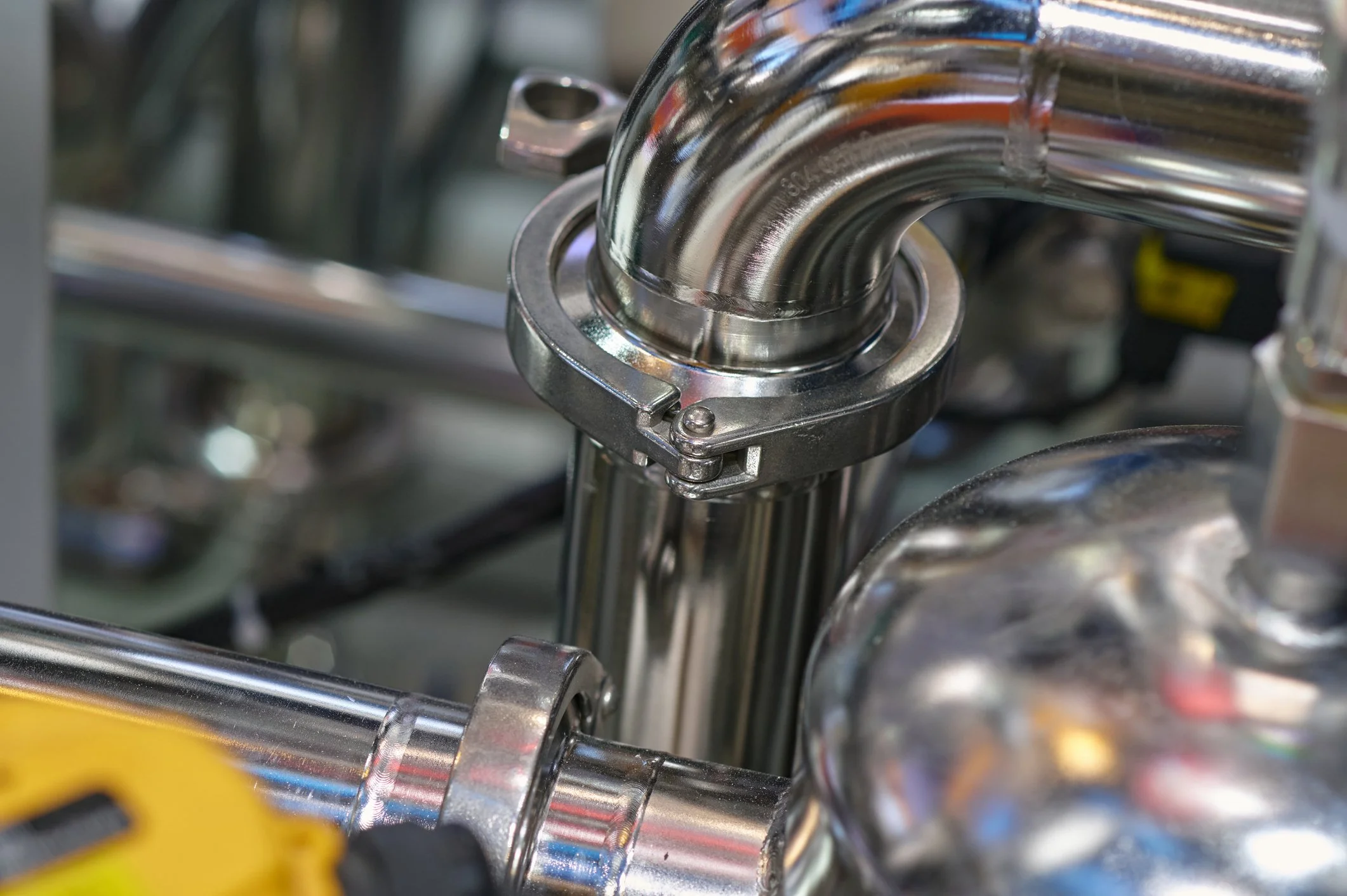
Up-close on a tri-clamp connection in use.
Tri-clamp connections aren’t limited to the above industries. Wherever high-purity water treatment is necessary, or hygienic piping systems are required for transporting chemicals or other substances, tri-clamp connections will likely be found. Semiconductor manufacturing (requiring high-purity water) and cosmetic and personal care manufacturing are notable examples.
In stock at Stirlings
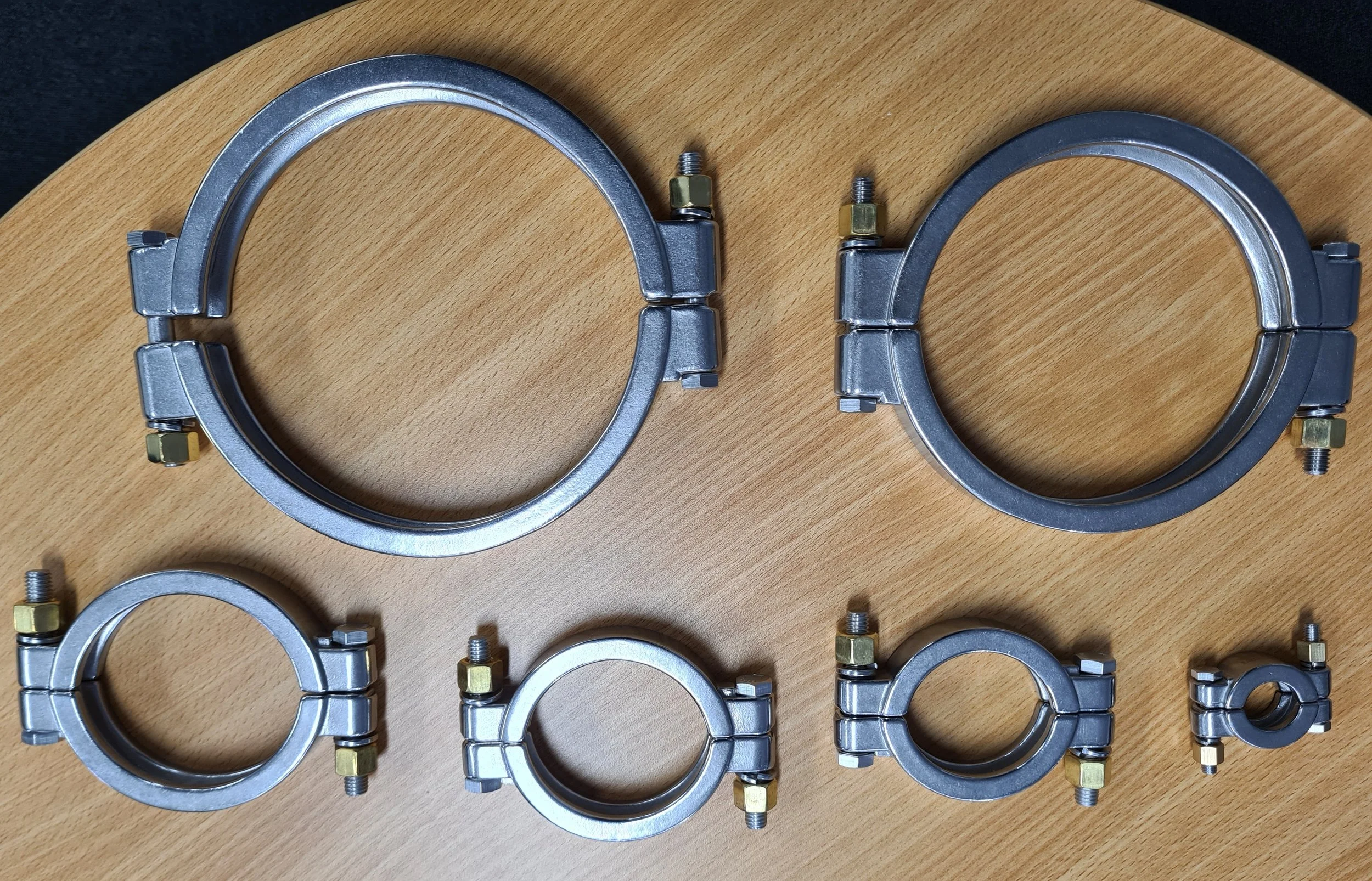
Range of double-bolted tri-clover clamps in different sizes.
Stirlings stocks Tri-Clover clamps, ferrules and gaskets (seals) in various sizes. Anything we do not stock can be supplied via indent.
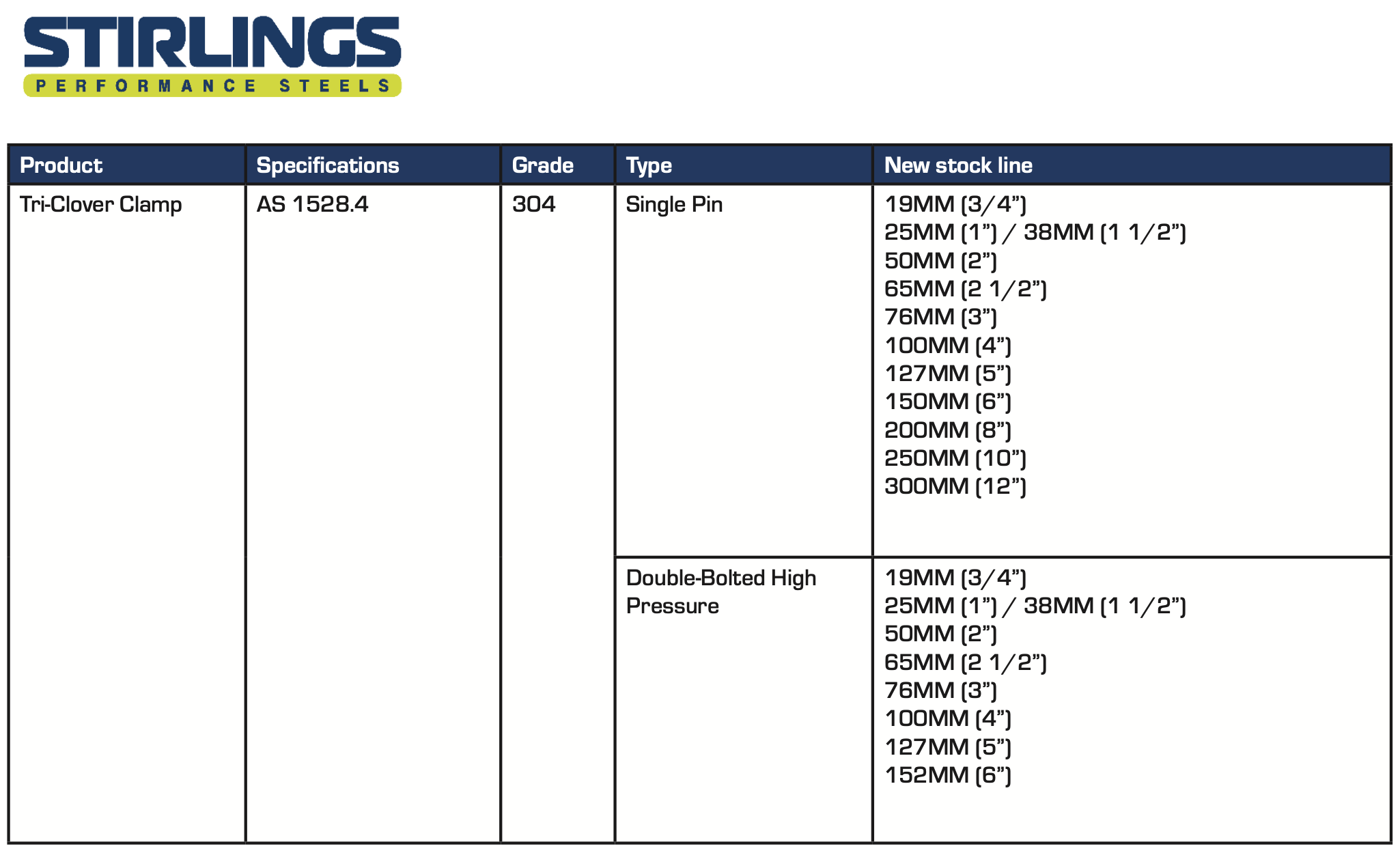
Tri-clover clamps in stock at Stirlings.